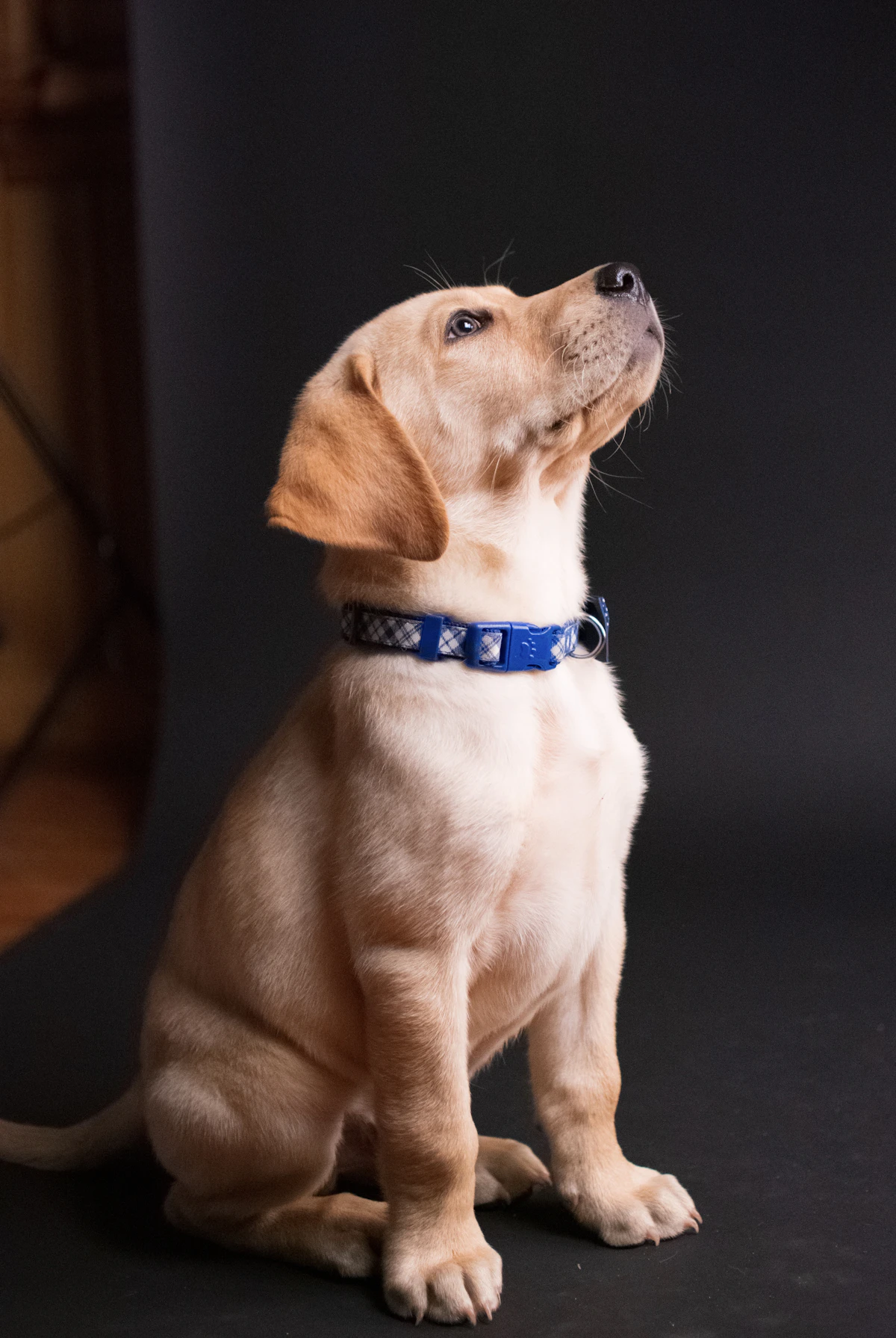
Puppy Breeds for Apartments: Which Adapt Best

Guide to puppy breeds ideal for apartment living: what factors matter beyond size, recommended breeds and which to avoid in small spaces.
Living in an apartment does not mean you cannot have a happy, well-adapted dog. What it does mean is that breed choice matters more than in a house with a garden. Available space, the dog's activity level, tendency to bark and need for company are determining factors. These are the breeds that best adapt to apartment life when adopted as puppies.
What Makes a Breed Suitable for Apartment Living
It is not just about size. There are large, calm dogs that adapt perfectly to an apartment, and small hyperactive breeds that would be a problem in any confined space. The factors that really matter are energy level, tendency to bark, tolerance for being alone, and adaptability to different environments.
Small Breeds Ideal for Apartments
Bichon Frisé
Cheerful, affectionate and with a moderate energy level. Does not shed (ideal for allergy sufferers), barks little if well socialized and greatly enjoys human company. Their puppies are particularly docile and learn quickly.
Cavalier King Charles Spaniel
One of the most balanced breeds for apartment life. Calm indoors, active on walks, very attached to their family. Their puppies are docile and get along well with children and other animals. Pay attention to hereditary heart problems: choose breeders who certify the parents.
French Bulldog
Silent, playful and with little need for intense exercise. Ideal for small apartments. Important: as a brachycephalic breed, they do not tolerate extreme heat well. Their puppies should come from breeders who perform respiratory health tests.
Medium and Large Breeds That Work in Apartments
Greyhound
Surprisingly, the greyhound is one of the best apartment dogs. Inside the home they are extraordinarily calm — sleeping up to 18 hours a day — and outside they enjoy short, intense runs.
Golden Retriever
Needs more exercise than small breeds, but their balanced, affectionate and adaptable character makes them viable in an apartment if their physical needs are met (at least 1-2 hours of activity per day). Their puppies are very sociable and learn quickly.
What No Breed Can Replace
Whatever the breed, a puppy in an apartment needs at least three outings a day, mental enrichment at home and quality time with their family. The breed facilitates coexistence, but the owner's daily commitment is what truly determines whether the dog will be happy.